
The idea of cutting ties with the utility company and generating your own power has moved well beyond a fringe lifestyle choice. Rising electricity costs, increasingly frequent grid outages, and a growing desire for genuine self-sufficiency have pushed off-grid living into the mainstream conversation in a way that would have seemed unlikely just a decade ago.
Building Energy Independence from the Ground Up
Making that transition successfully requires more than enthusiasm and a few solar panels on the roof. Homeowners and homesteaders who have researched off grid solar kits know that the difference between a system that truly delivers independence and one that disappoints comes down entirely to how well the setup is planned and matched to real energy demands. Here is what the process actually involves when done right.
Start With an Honest Energy Audit
Before selecting any equipment, the single most important step is developing a clear and accurate picture of how much power your household actually consumes. This means going beyond a rough estimate and systematically cataloging every device, appliance, and system that draws electricity, along with how many hours each one runs daily. Heating and cooling systems, water pumps, refrigeration, and lighting all contribute meaningfully to the total load.
The Four Core Components and Why Each One Matters
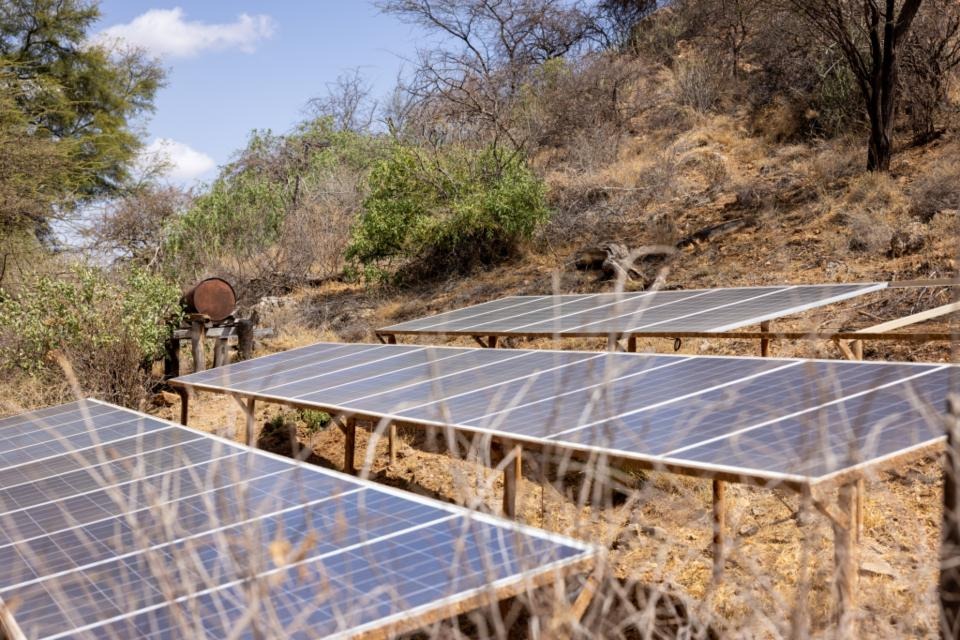
A properly designed off-grid solar kit is built around four essential components that must work together as a balanced system. Solar panels capture sunlight and generate DC electricity. A charge controller regulates the flow of that electricity into the battery bank, preventing overcharging and extending battery life. The battery bank stores energy for use when the sun is not shining, making overnight and cloudy-day power possible. An inverter converts stored DC power into the AC electricity that standard household appliances require.
Battery Technology Is the Heart of Off-Grid Performance
Furthermore, no component has a greater impact on the day-to-day reliability of an off-grid system than the battery bank. Lead-acid batteries remain a budget-friendly entry point but carry significant limitations in usable capacity, weight, and lifespan compared to newer alternatives. Lithium iron phosphate batteries have become the preferred choice for serious off-grid installations because they offer deeper discharge capability, faster recharge rates, dramatically longer cycle life, and far better performance in temperature extremes.
Sizing for Cloudy Days and Seasonal Variation
One aspect of off-grid solar planning that catches many first-time buyers off guard is the need to design for worst-case conditions rather than ideal ones. A system sized to perform perfectly on a clear summer day will fall short during extended overcast periods or during winter months when sunlight hours are significantly reduced. Building in adequate panel capacity and battery storage to carry the household through several consecutive low-production days is what separates a system that delivers genuine independence from one that requires a backup generator to survive every stretch of bad weather.
Conclusion: Building Energy Independence from the Ground Up
To wrap it all up, going off grid with solar is an achievable and deeply rewarding goal for those who approach it with proper preparation. Conducting an honest energy audit, understanding how the core components interact, investing in quality battery technology, and designing for seasonal and weather variation rather than ideal conditions are the steps that make the difference between a system that truly sets you free and one that falls short when you need it most.
Recent Comments