
What Every Homeowner Should Know Before Buying a Backup Generator
Power outages have a way of revealing just how dependent modern households are on a reliable electrical supply. A few hours without power is an inconvenience. An extended outage lasting several days stretches into a genuinely serious situation involving spoiled food, lost heat or cooling, medical equipment concerns, and the kind of disruption that affects every corner of daily life.
Finding the Right Backup Power Solution for Your Home
The good news is that dependable backup power is more accessible than ever for homeowners willing to invest in the right solution. Families who have explored All Home Backup Generators with a qualified electrician know that the key is matching the right system to the specific needs of the household rather than simply buying the biggest unit available. Here is what every homeowner should understand before making this important purchase.
Standby Versus Portable Generators Serve Different Needs
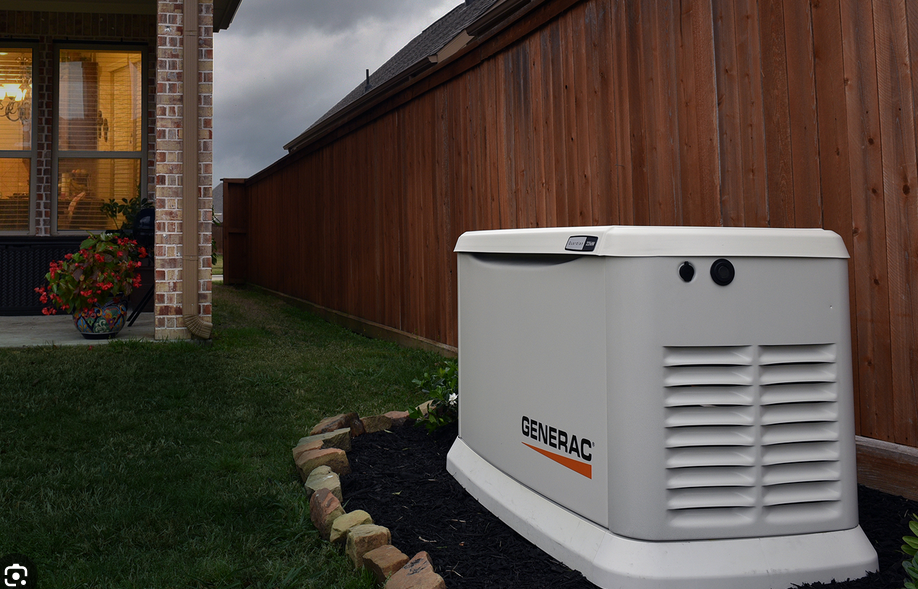
The first decision most homeowners face is choosing between a standby generator and a portable unit. Portable generators are less expensive upfront and can be stored away when not in use, but they require manual setup, run on stored fuel that must be maintained, and typically power only a limited selection of appliances through extension cords. Standby generators are permanently installed, connect directly to the home’s electrical system, and activate automatically within seconds of a power failure.
Sizing the Generator Correctly Is Non-Negotiable
One of the most consequential decisions in the entire process is selecting the right generator size for your household’s actual power requirements. An undersized unit will struggle to handle the starting loads of large appliances like air conditioners and well pumps, leading to tripped breakers and frustrating performance failures during the exact moments you need reliable power most. An oversized unit wastes fuel and carries unnecessary upfront cost.
Fuel Type Affects Long Term Practicality
Furthermore, the fuel source your generator runs on has meaningful implications for long-term convenience, cost, and reliability. Natural gas and propane standby generators connect to an existing supply line and eliminate the need to store and rotate fuel manually, making them particularly well-suited for extended outages when refueling logistics become a real challenge. Diesel and gasoline portable generators offer flexibility but require careful fuel management to remain ready when needed.
Professional Installation Is Not Optional
A backup generator is not a plug-and-play appliance, and the installation process involves electrical work, gas line connections, permitting, and transfer switch installation that must be handled by licensed professionals. Improper installation creates serious risks including carbon monoxide exposure, electrical backfeed that endangers utility workers, and fire hazards that can develop without warning. Beyond safety, many generator warranties require professional installation as a condition of coverage.
Conclusion: Finding the Right Backup Power Solution for Your Home
To wrap it all up, choosing a home backup generator is a decision that rewards careful thought at every stage of the process. Understanding the difference between standby and portable units, sizing the system correctly for your real power needs, selecting the right fuel type for your situation, and insisting on professional installation are the four pillars of a backup power investment that delivers when it matters most. Do not wait for the next outage to wish you had acted sooner. The right generator turns a potential crisis into nothing more than a minor inconvenience.
Recent Comments